
Child therapy in Barcelona: when it can help your son or daughter
Child therapy is a space for emotional support tailored to how children feel and experience what’s happening to them.
Unlike adults, they can’t always put what they’re going through into words—but that doesn’t mean they aren’t feeling it intensely. Sometimes, what they need is a safe space where they can express it in another way.
What child therapy is and why it matters
Child therapy in Barcelona offers a space for emotional support adapted to the way boys and girls experience their inner world. It’s not just about talking; it’s about finding a way to express what they feel with safety, respect, and at their own pace.
Often, what a child is going through shows up in their day-to-day life. For example:
- More intense or frequent tantrums.
- Fears that weren’t there before.
- Difficulty separating from mum or dad.
- Changes in sleep or mood.
Behind these signs there isn’t a child who “behaves badly,” but a child who needs to express and understand what they’re feeling. Child therapy offers a safe space to do just that—accompanied and without judgment.
And you don’t need to wait until there’s a serious problem. It can also be very helpful during times of change or insecurity, helping the child develop emotional tools from an early age.
Why children don’t always express what they feel with words
Children don’t always explain what’s happening to them, but that doesn’t mean they aren’t communicating. In fact, their way of expressing themselves is different from adults’. Instead of words, they use other channels that feel much more natural to them.
For example:
- Play, where they act out situations, emotions, or experiences.
- The body, through restlessness, tension, or changes in sleep.
- Behavior, as a way of expressing what they can’t put into words.
- Relationships with others, seeking more closeness or showing rejection.
Through these channels, the child is communicating their inner world. Understanding this language is essential to being able to support them in a respectful way that truly meets their needs.
The therapeutic bond in childhood
For a child to express what they feel, they first need to feel safe.
In child therapy, this doesn’t happen automatically. It’s built gradually through the bond with the therapist, who becomes a reference figure within the therapeutic space.
When the child perceives that they are in a safe environment, without judgment and respected in their own rhythm, things that they couldn’t show before start to emerge. The bond not only helps the child express themselves, but also allows them to regulate their emotions and feel accompanied in what they’re going through.
That’s why, in child therapy, it’s not just about applying techniques, but about creating a space where the child can be themselves and feel understood.
Play therapy and its role
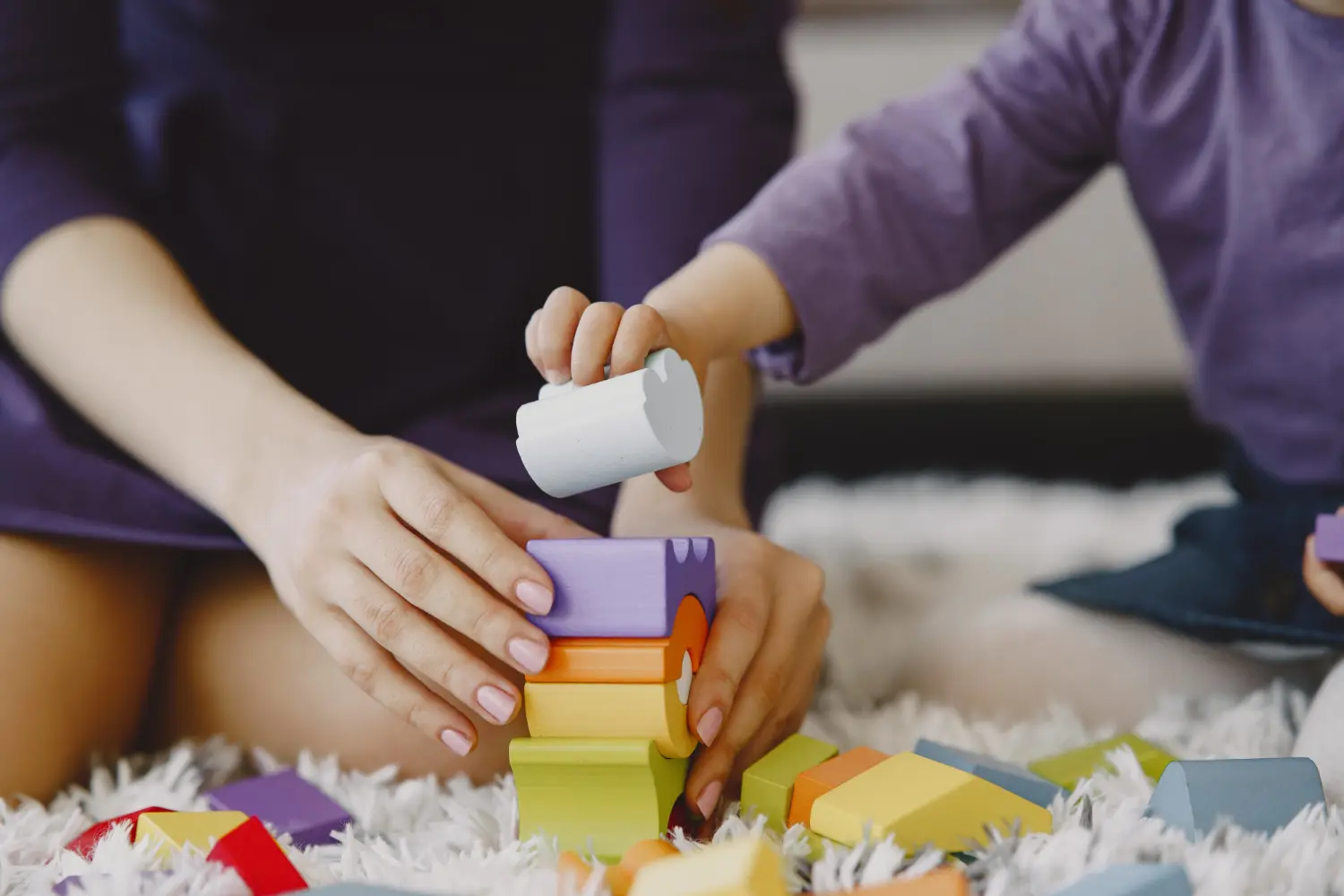
In childhood, play isn’t just a form of entertainment; it’s one of the main ways children express, understand, and integrate what they live through.
In child therapy, play therapy is used as the main working tool. From the outside, it may look like they’re simply playing, but in reality they’re showing their inner world.
Play allows access to what the child can’t verbalize, respecting their pace and their natural way of expressing themselves. Also, in this process they aren’t constantly corrected; instead, they’re accompanied so they can make sense of what’s happening to them in a safe and respectful way.
Sandplay and symbolic play
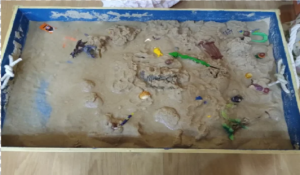
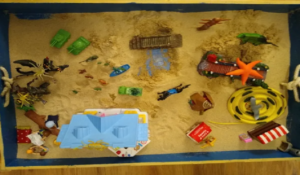
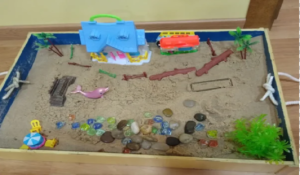
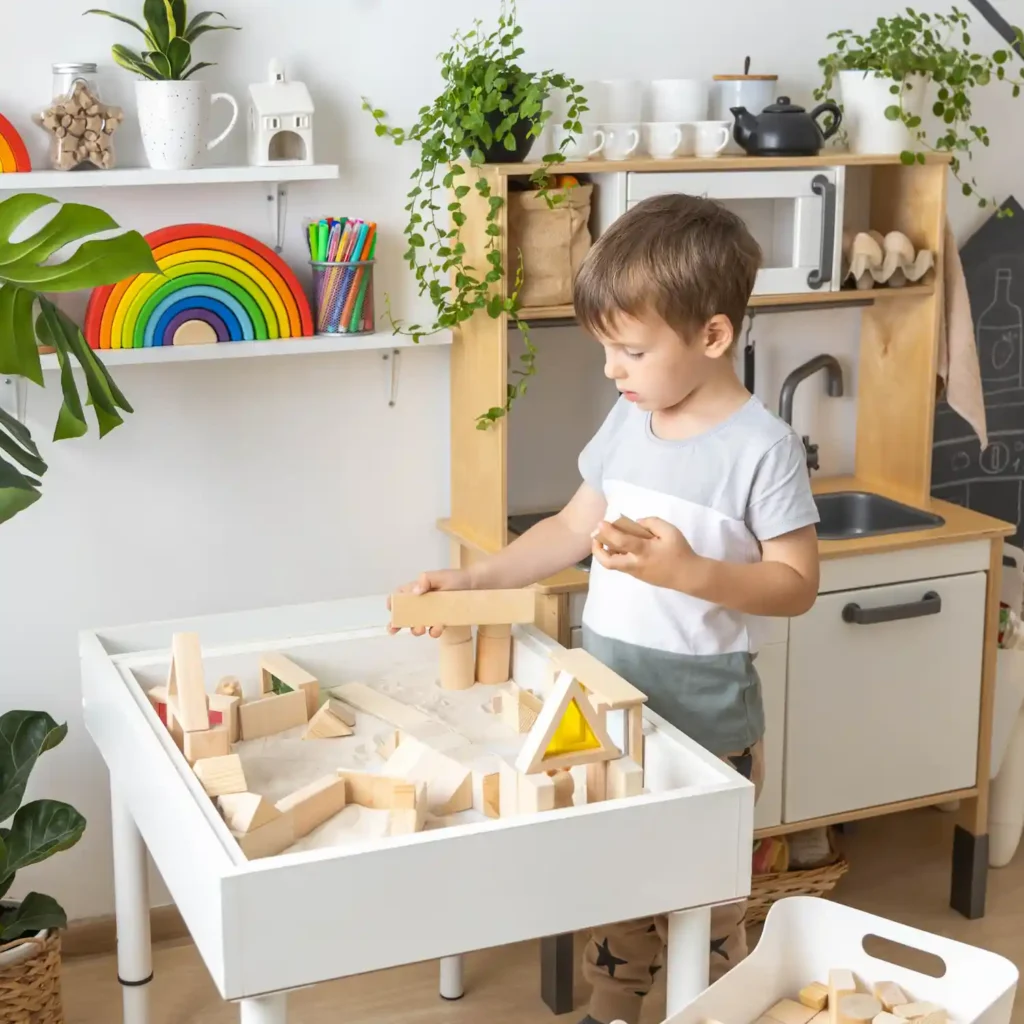
In addition to play, there are specific therapeutic tools that allow the child to express what they feel without needing to talk. One of them is sandplay, or sand tray therapy.
In this type of work, the child uses a sand tray and different figures to create scenes or small worlds. Through these representations, they symbolically show what they’re experiencing internally.
Sandplay allows all of this to emerge in a natural and respectful way, without forcing the child to talk when they still can’t or aren’t ready.
It also helps the child to organize, understand, and integrate what’s happening to them, feeling accompanied throughout the process.
This is a profound way of accessing the child’s emotional world, where symbolic play becomes a path for expression and transformation.
What a child can work on in therapy
In child therapy, many of these processes are supported, helping the child understand what they feel and find safer ways to express it.
For example, they can work on aspects such as fear, self-esteem, emotional regulation, or difficulties in their relationships. But beyond the label, what matters is being able to look at what’s behind what’s happening.
In my work as a child psychologist, I support boys and girls going through these kinds of moments, adapting the process to their way of expressing themselves and their pace.
Because it’s not about changing the child, but about helping them understand themselves and feel more secure within themselves.
Signs that a child may need support
Some signs can include:
- Intense or persistent fears that interfere with their day-to-day life.
- Difficulty managing emotions like frustration or anger.
- Changes in behavior, such as more irritability, withdrawal, or clinginess.
- Sleep or eating problems.
- Difficulties at school or in relationships with other children.
- Low self-esteem or insecurity.
This doesn’t necessarily mean there’s a serious problem, but it can be a sign that the child needs support to understand and manage what’s happening to them. When in doubt, listening and offering support in time can make a big difference.
Group spaces to work on emotions
In addition to individual work, there are spaces where children can explore their emotions in a group, accompanied and in a safe environment.
In these spaces, play once again takes a central role, allowing children to express themselves naturally while sharing what’s happening to them with others. The group offers something very valuable: the child begins to see that they’re not the only one who feels fear, insecurity, or difficulty, and that in itself brings relief.
Through activities adapted to their age, they can recognize and express emotions, feel understood by other children, develop confidence and self-esteem, and learn new ways of relating.
This type of support is especially helpful for issues like fear, insecurity, or emotional regulation, since the group setting facilitates learning through experience.
If you’re looking for a more experiential approach, you can also check out this emotional workshop for children in Barcelona.
Frequently asked questions about child therapy
What if my child doesn’t talk in therapy?
It isn’t necessary for the child to talk in order to work in therapy. Through play, the body, or the relationship, they can also express what’s happening to them. Child therapy adapts to their natural way of communicating.
Can play really help with managing emotions?
Yes. In childhood, play is one of the main forms of expression. Through it, the child can represent what they feel, process experiences, and find new ways of relating to what’s happening to them.
Why is the bond important in child therapy?
Because the child needs to feel safe in order to show themselves as they truly are. When there’s a bond of trust, they can begin to express what they feel and explore their emotions without fear.
Note: this content is for informational purposes and does not replace a professional consultation. If you’re concerned about your son or daughter’s situation, request a personalized assessment.