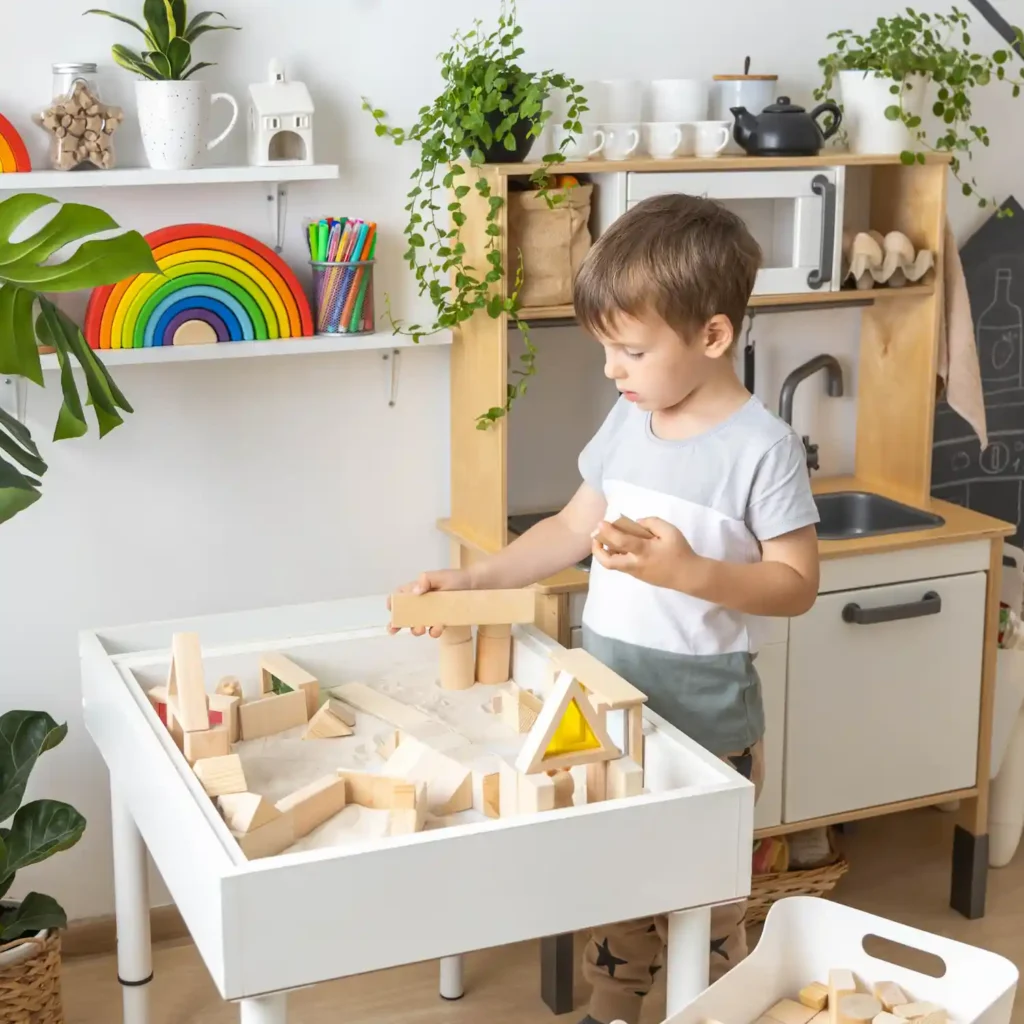
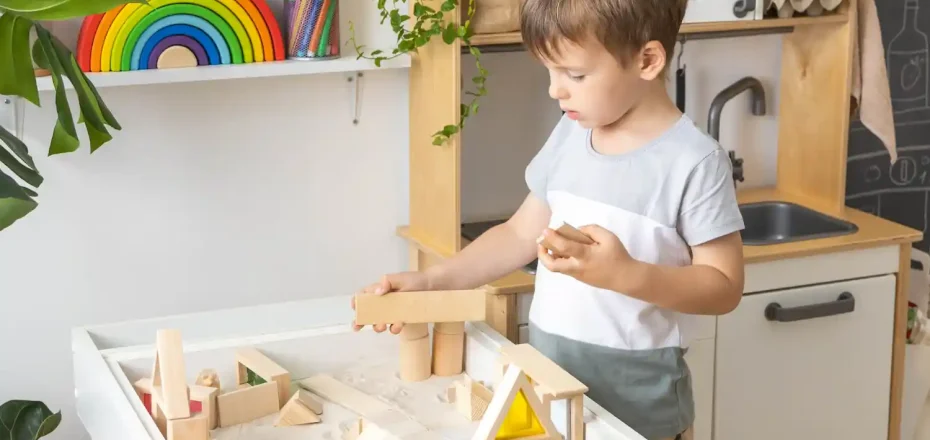
The Sandplay Therapy, also known as sand tray therapy, is a therapeutic technique that combines symbolic play with creativity, allowing children and adults to express their inner world non-verbally. It’s a powerful tool within the humanistic approach, especially useful for emotional development and treating psychological and neurodevelopmental disorders.
Introduction to Sandplay Therapy
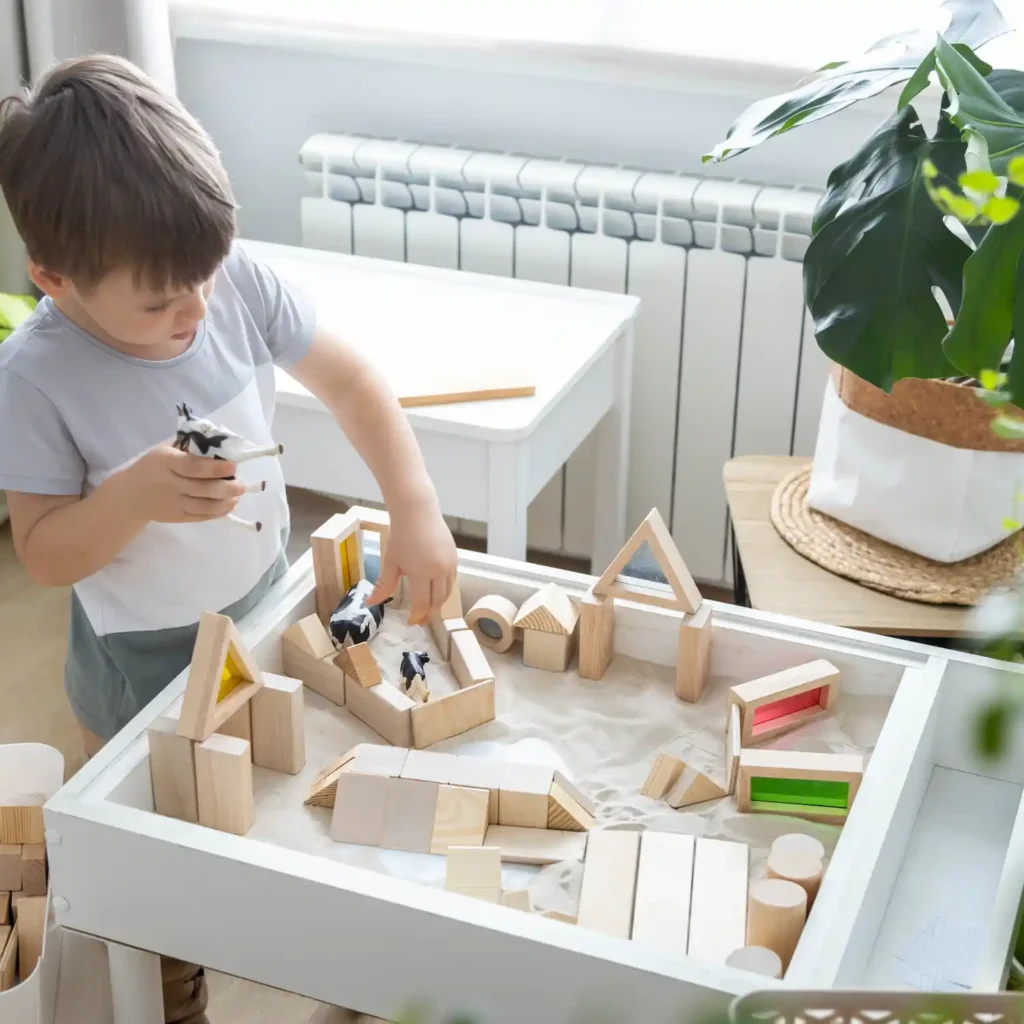
Sandplay Therapy originates from Jungian psychology and is based on playing with sand and symbolic figures. Through a safe and structured space, the person creates a “world” in a sand tray that reflects their deepest emotions, often inaccessible through words.
Symbolic play is the natural language of children. Through it, children can express fears, anger, sadness, or conflicts without needing to verbalize them. Creating scenes in the sand allows them to project their inner world, facilitating understanding and emotional healing.
How Does Sandplay Therapy Work?
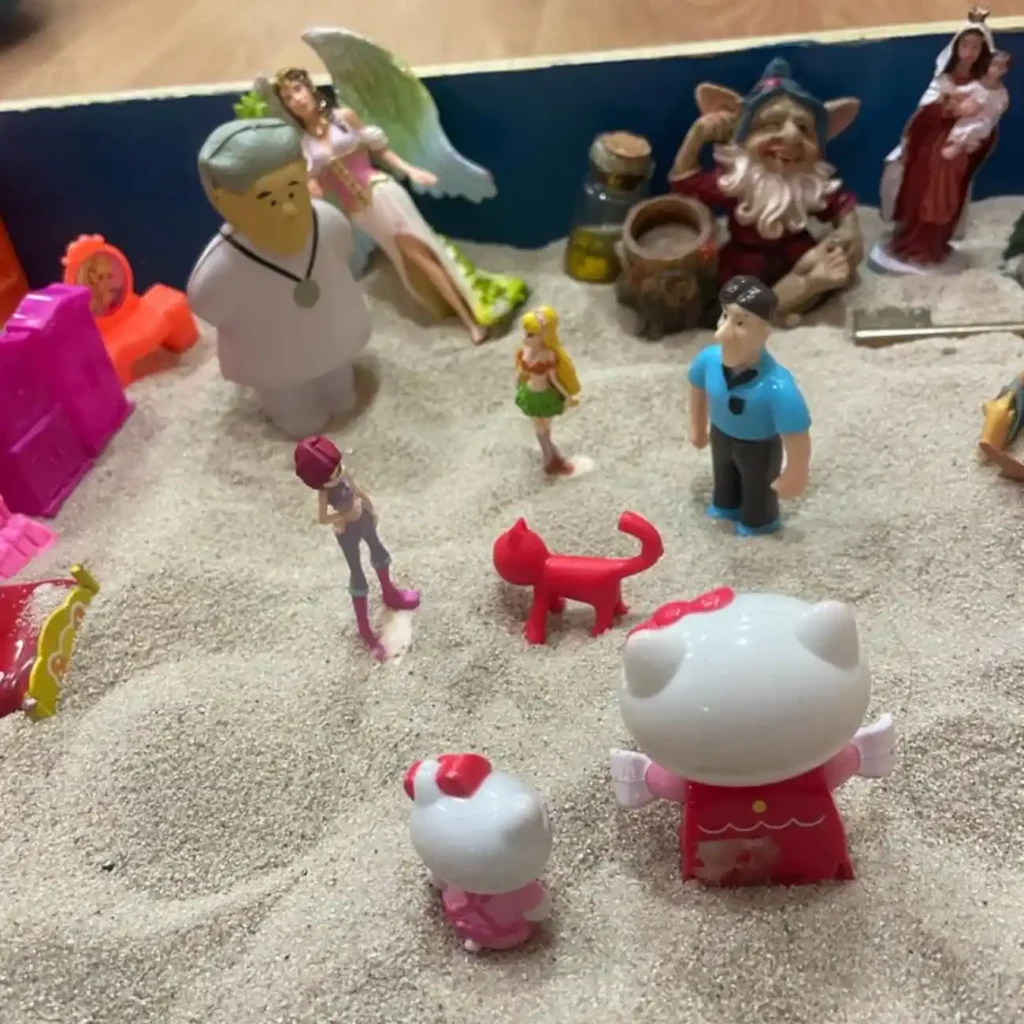
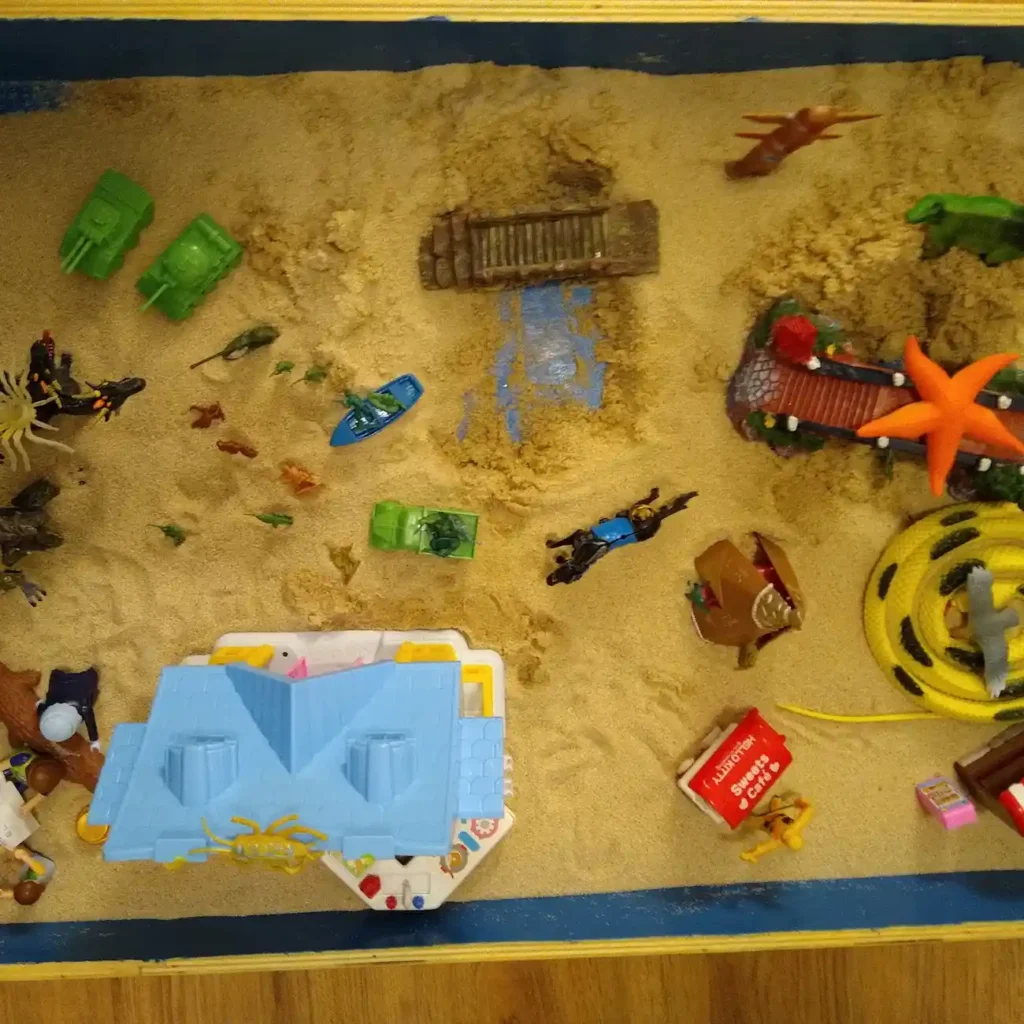
Sandplay Therapy uses a wooden box with real sand and a set of symbolic figures that include:
- Animals, people, and objects
- Natural symbols like stones, plants, or shells
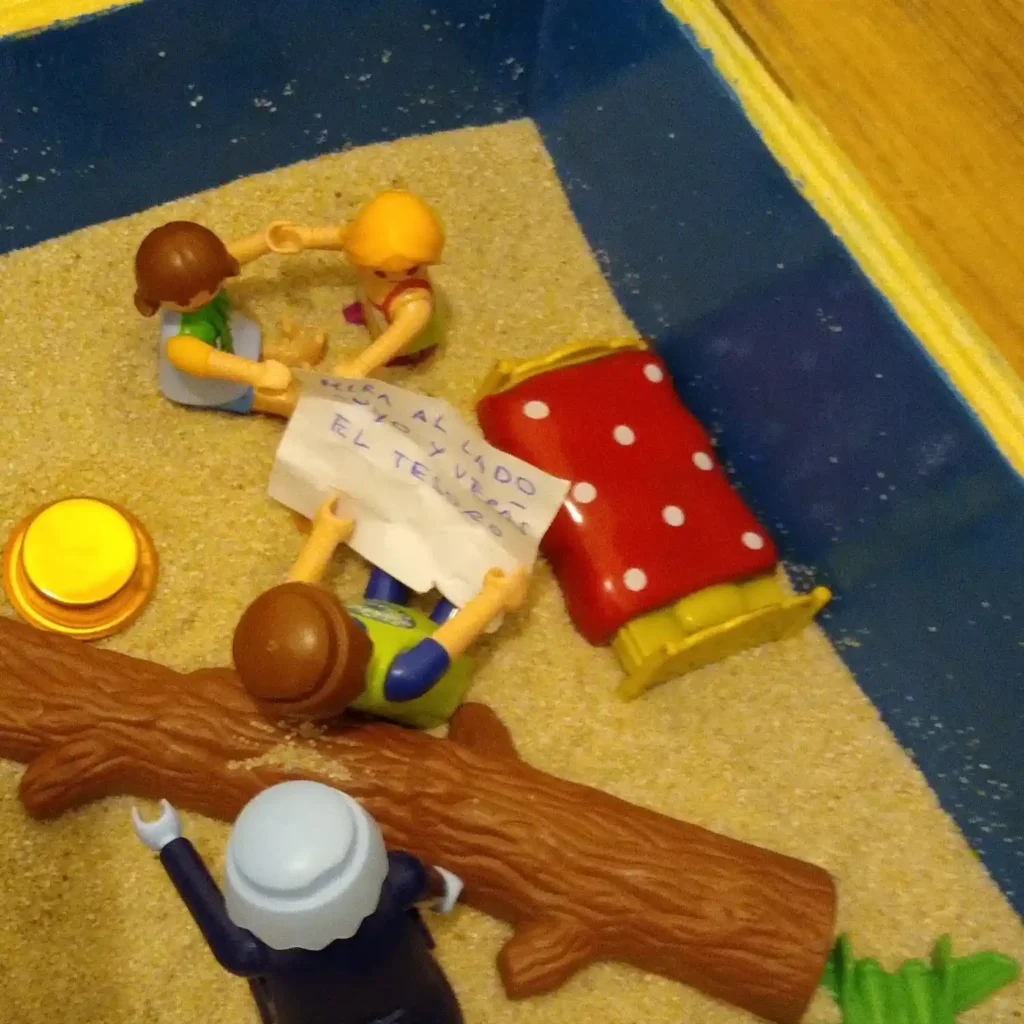
- The possibility of adding water and elements like candles, representing the four elements: earth, water, air, and fire.
The Importance of Symbolic Play
Symbolic play is the natural language of children. Through it, they can express fears, anger, sadness, or conflicts without needing to verbalize them. Creating scenes in the sand allows them to project their inner world, facilitating understanding and emotional healing.
The Therapist’s Role in the Session
The therapist adopts an attitude of active listening and respectful陪伴, intervening only when necessary. The person is free to choose objects and build their scene without interference, fostering a deep and natural therapeutic process.
Benefits of Sandplay Therapy for Children and Adults
Sandplay Therapy provides both emotional and physical benefits, being an integral tool for development and mental health.
Promoting Emotional Expression
This technique allows the expression of feelings that are difficult to verbalize, such as fears, grief, or internal conflicts.
Reducing Anxiety and Stress
Manipulating sand and creating scenes has a calming and restorative effect, helping to regulate emotions and reduce stress.
Motor and Perceptual Development
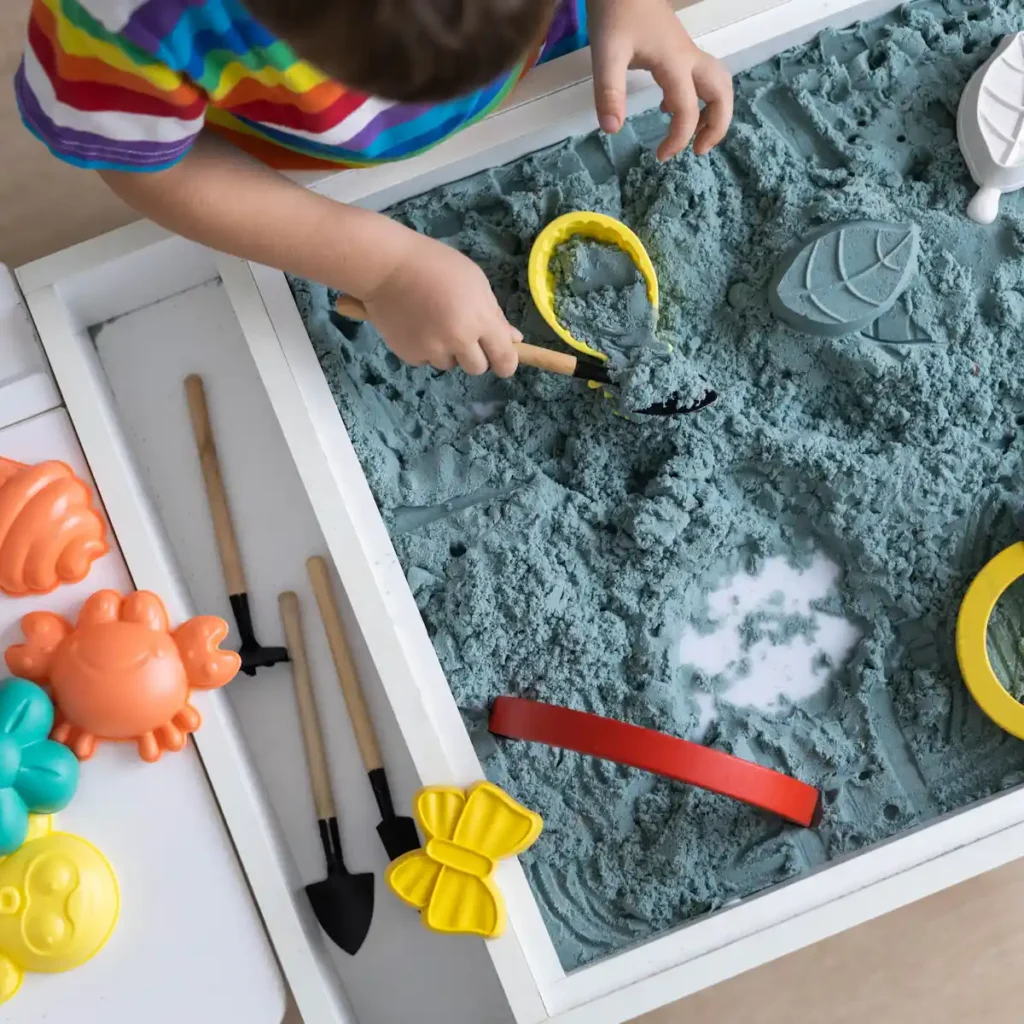
In children with neurodevelopmental disorders, such as ASD, Sandplay Therapy improves fine motor skills, hand-eye coordination, and body awareness and boundaries.
Who Is Sandplay Therapy For?
Sandplay Therapy is suitable for:
- Children with emotional problems, anxiety, grief, or developmental disorders.
- Adults seeking a non-verbal tool to work on their inner world.
- Families who want to strengthen bonds and improve emotional communication.
Sandplay Therapy in the Humanistic Approach
Sandplay Therapy falls within the humanistic approach, which respects the pace and individual needs of each person. Unlike other more directive therapies, this approach fosters freedom of expression and mind-body connection, allowing a deep and respectful therapeutic process.
Why Choose Sandplay Therapy for Your Child or Yourself?
Sandplay Therapy not only facilitates emotional healing but also promotes integral development. It’s an ideal technique for those seeking a respectful, creative, and deep therapy that doesn’t rely solely on words.
Frequently Asked Questions About Sandplay Therapy
How Many Sessions Are Needed?
The number of sessions depends on individual needs and each person’s therapeutic process.
Is It Effective for Adults?
Yes, Sandplay Therapy is a powerful tool for adults who want to explore their emotional world from a non-verbal approach.
What Materials Are Used in a Session?
Real beach sand, a wooden box, and symbolic figures representing elements of life and nature are used.
Sandplay Therapy is a deep therapeutic technique that facilitates emotional expression and integral development in both children and adults. Its ability to connect with the inner world through symbolic play and creativity makes it a unique tool within humanistic psychotherapy.
I invite you to contact me if you think this therapy might be what you need for yourself or your child—don’t hesitate to consult us.
Meanwhile, follow me on Instagram and on my YouTube channel, where I share daily content about parenting, yoga, and many other therapeutic techniques for your physical and mental well-being.