
Postpartum Depression Therapy in Barcelona
Postpartum depression can develop weeks or months after giving birth. Drawing on perinatal psychology, at Chiara Leoni Psicología I support you with a warm, non-judgemental approach tailored to what you are experiencing
You do not have to go through this alone: I am here to help you feel like yourself again
What Is Postpartum Depression?
Postpartum depression is a mood disorder that can develop after the birth of a baby, although in some cases it begins during pregnancy. It is not a sign of weakness or a lack of love for your child. It is a real and profound response to the physical, hormonal and emotional changes you are experiencing
It can affect any mother, even someone who has deeply wanted to become a mother. And it does not always involve crying or sadness: sometimes it is experienced as emotional disconnection, overwhelming exhaustion or a constant sense of guilt
Recognising it is the first step towards feeling better
With psychological support, you can understand what you are experiencing, let go of guilt and reconnect with yourself and your baby
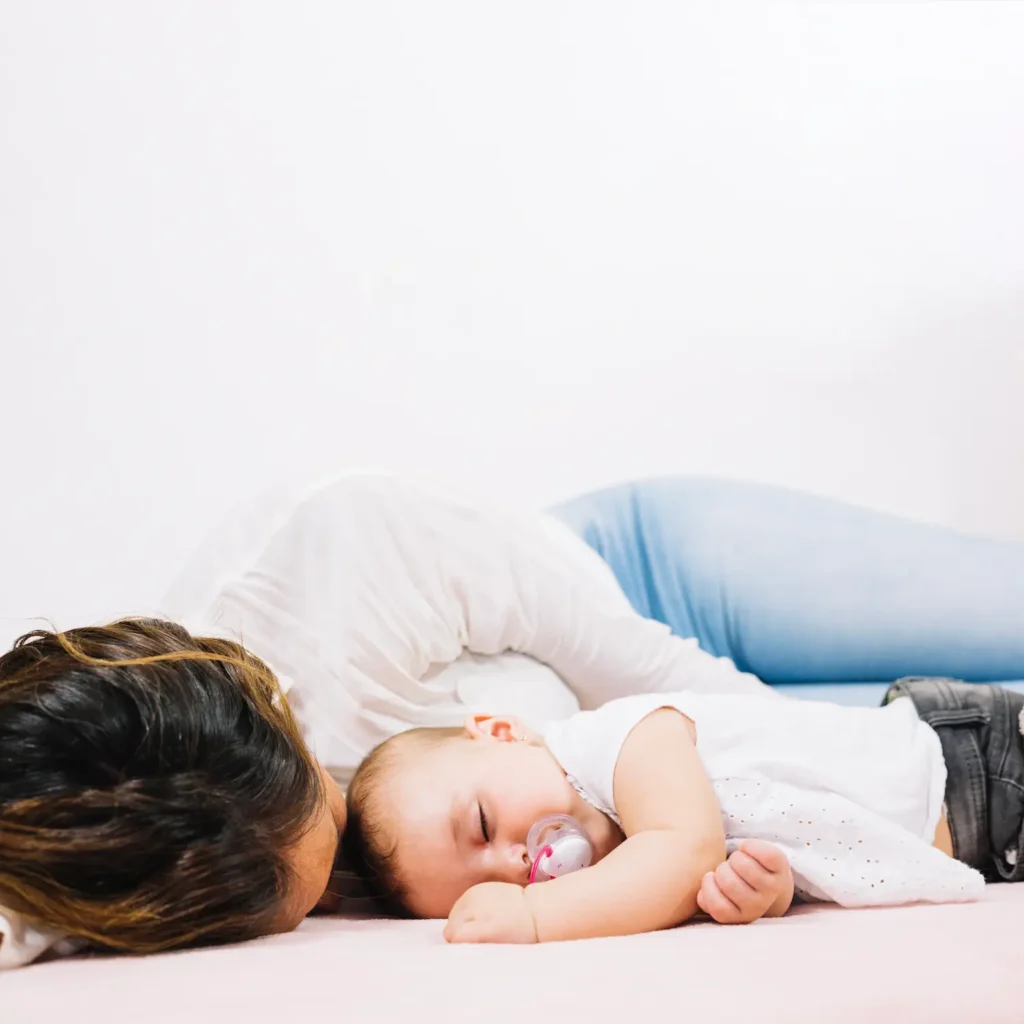
The Most Common Symptoms of Postpartum Depression
Postpartum depression does not present in the same way in every woman. It is sometimes confused with postpartum exhaustion or the “baby blues”, but when symptoms persist or prevent you from enjoying everyday life, it is important to seek support.
Some of the most common symptoms include:
- Persistent sadness or feeling like crying for no clear reason
- Difficulty bonding with your baby
- Feelings of guilt, worthlessness or failure as a mother
- Anxiety or repetitive thoughts
- Changes in appetite or sleep (sleeping too little or too much)
- Irritability, withdrawal or feeling overwhelmed
- A lack of energy or motivation to face the day
If you recognise yourself in some of these symptoms, you are not alone. Therapy can help you understand what is happening and begin a journey towards emotional wellbeing.

What Can You Do If You Think You Are Experiencing Postpartum Depression?
First of all: you are not failing, either as a mother or as a person. Feeling this way does not diminish your worth or mean that you do not love your baby. You are going through a difficult time, and that deserves care, not judgement.
If you feel that something is not right, that your distress is not easing with time or that you are too overwhelmed to manage it alone, asking for help is the first step towards recovery.
Here is what you can do:
- Talk to someone you trust; do not keep it to yourself
- Consult a psychologist specialising in perinatal emotional health
- Do not minimise your symptoms: they deserve to be heard and addressed
- Remember that taking care of yourself is also a way of taking care of your baby
At Chiara Leoni Psicología, I support you with the empathy, respect and sensitivity that this stage of life calls for.
How Can Psychological Therapy Help You?
Therapy for postpartum depression offers a safe space where you can speak freely about how you feel, without fear of being judged. A place where you can understand what is happening to you, regain your emotional balance and reconnect with yourself and your baby.
In individual sessions, we work together to:
- Put your experience into words and validate it
- Explore any guilt, fear or pressure you may be placing on yourself
- Regain your energy, your sense of calm and the feeling of being yourself
- Strengthen your personal resources and your confidence as a mother and as a woman
At Chiara Leoni Psicología, I support you through an approach grounded in perinatal psychology, a specialism focused on emotional health during pregnancy, childbirth and the postpartum period. This approach addresses difficulties such as anxiety, deep sadness, guilt or emotional disconnection after the birth of a baby. You deserve sensitive, respectful support tailored to what you are experiencing.
You are not alone. Together, we can transform this experience.
Would you like to know how therapy can help you during the postpartum period? Many women go through this time in silence, believing they should feel happy and grateful
How Can You Book Your Postpartum Depression Therapy Session?
Book an Appointment
You can easily schedule your session, either in person in Les Corts (Barcelona) or online, wherever you are
Have Any Questions?
We can have an initial conversation to give you more information, with no obligation
First Session
We will talk calmly, without judgement, so that you can begin to put what you are going through into words and find a space just for you
Start Taking Care of Yourself Today
If you are looking for psychological support after childbirth or think you may be experiencing postpartum depression, you are not alone
Your mental health matters. We can walk this path together to help you feel more supported, secure and at peace with yourself
Other Therapies That May Help You
Each person and each process needs a different path
These therapies may complement your support or be better suited to what you are experiencing
Psychotherapy for people experiencing anxiety or stress who need tools to regain calm and balance
Psychotherapy for adults who want to explore their emotional world, overcome blocks and grow through authenticity
Psychological therapy for mothers experiencing sadness, emotional blocks or disconnection after the birth of their baby
Therapy for people who want to release physical and emotional tension, reconnect with their bodies and heal on a deeper level



Frequently Asked Questions About Postpartum Depression
How do I know if I have postpartum depression or am just tired?
It is normal to feel tired or emotional after childbirth, but if symptoms such as sadness, apathy or disconnection last for more than two weeks or prevent you from enjoying everyday life, you may be experiencing postpartum depression. Listening to yourself and seeking professional help is the first step.
How long can postpartum depression last?
The duration varies from person to person, but with appropriate psychological treatment, many women begin to improve within a few weeks. The sooner support begins, the more effective the recovery process will be.
What is the difference between the baby blues and postpartum depression?
The baby blues involve mild emotional changes that usually appear in the first few days after childbirth and go away on their own. By contrast, postpartum depression is more intense, lasts longer and may require therapeutic support.
Can postpartum depression develop months after giving birth?
Yes. Although it usually develops in the first few weeks, it can also appear months after childbirth, especially when there is accumulated exhaustion, a lack of support or difficult personal circumstances.
Does psychological therapy really help with postpartum depression?
Yes. Therapy offers you a safe space to put your feelings into words, understand what you are experiencing and learn to manage guilt, sadness or anxiety with care and compassion.
Can I have online therapy if I have postpartum depression?
Yes. Many mothers choose online therapy because it allows them to access professional support without leaving home. It is a safe, effective and flexible option if you are going through this stage with little time or energy.
How can I help my partner or a friend who has postpartum depression?
Listen without judgement, be there for her and encourage her to seek professional help. Postpartum depression does not resolve on its own, and offering support with respect and empathy can make a significant difference.