Separation Anxiety in Children: How to Recognize and Support It
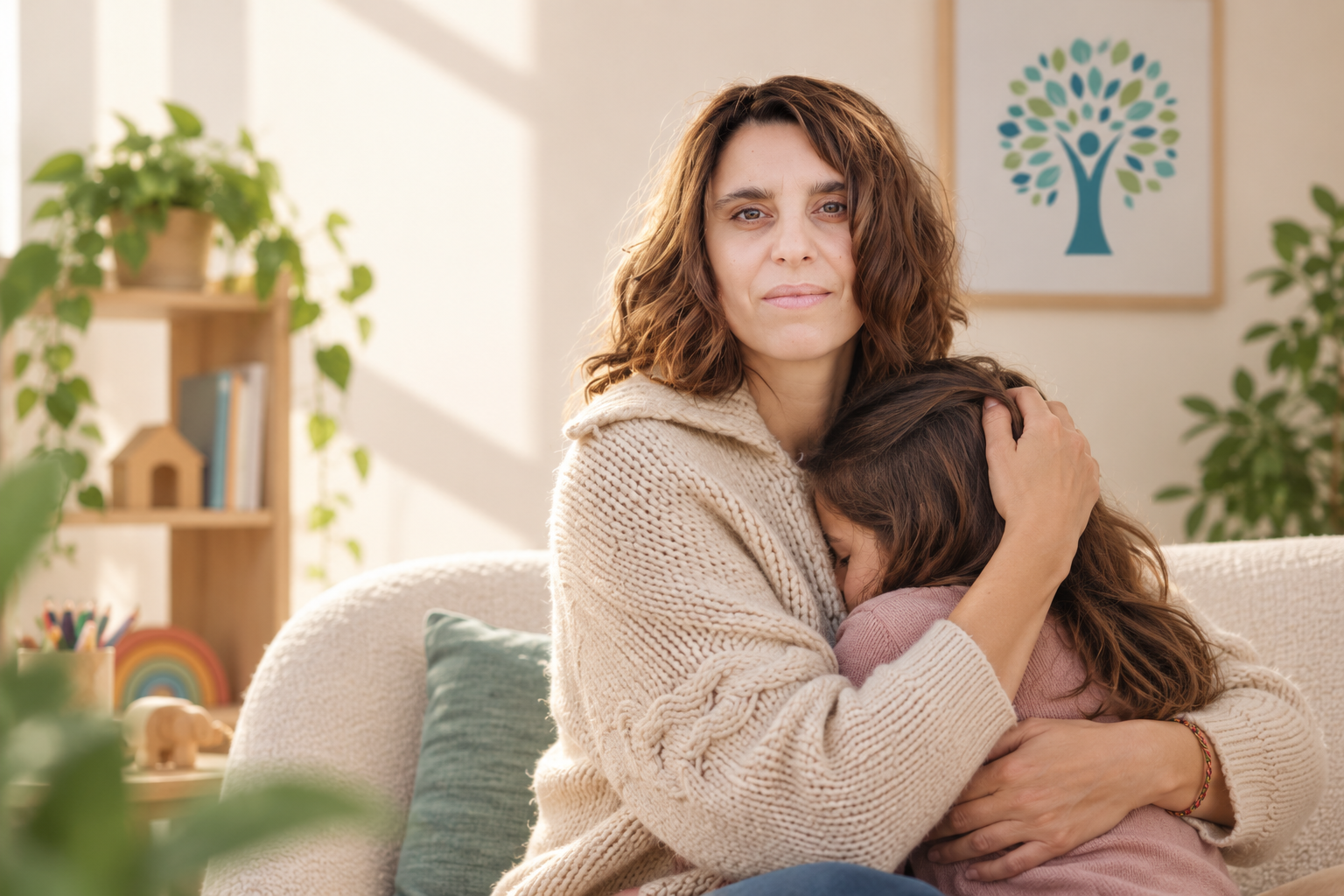
Separation anxiety in children can appear when they have to move away from their parents or primary caregivers. Some children cry when entering school, become distressed when their caregiver leaves the room, or need to sleep close to an adult.
At many stages of development, especially during the early years, this type of reaction is part of normal development. However, when the fear is very intense, continues over time, or interferes with family, school, or social life, it may be helpful to seek professional guidance.
In this article, we explain how to recognize separation anxiety, what may contribute to it, and how to support children with calmness, security, and respect.
If you are looking for information about separation anxiety in children, it is important to distinguish between a normal developmental reaction and distress that begins to interfere with everyday life.
What Is Separation Anxiety?
Separation anxiety is the distress some children experience when they are separated from people with whom they have an important attachment bond, usually a parent or primary caregiver.
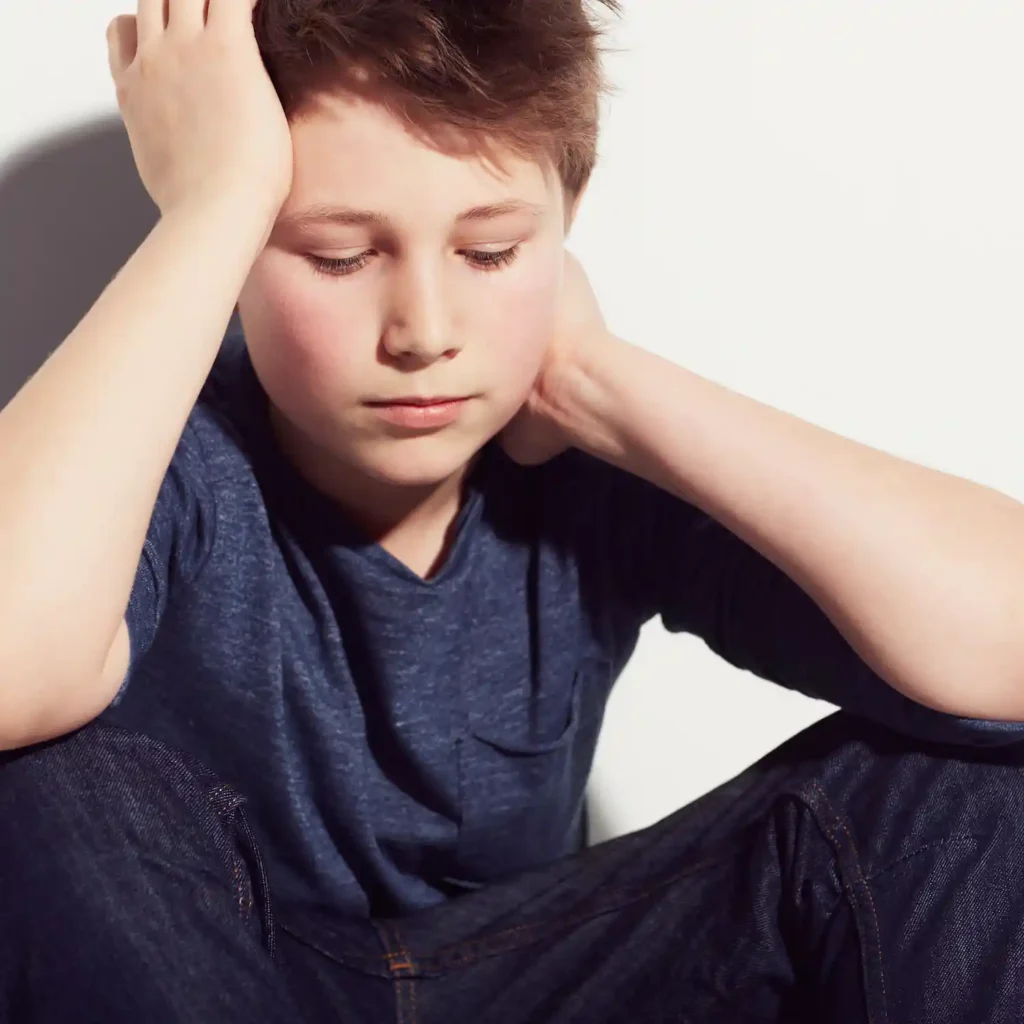
It may appear as crying, resistance, worry, anger, or a strong need to stay close to an adult. In young children, these reactions are relatively common because they are still developing their ability to understand the passing of time and to anticipate that a separation will be temporary.
Separation anxiety does not mean that the attachment is unhealthy or that the family is doing something wrong. It is an expression of fear or insecurity that needs to be understood and supported.
If you would like to learn more about this topic, you can also read our guide to childhood anxiety, where we explain other common manifestations and ways to support children.
Is It Normal for a Child to Be Afraid of Separation?
During the early years of life, it is common for children to protest when they are separated from their primary caregivers. Separation anxiety often appears between approximately 6 months and 3 years of age, although it can also appear or become stronger during other times of change or stress.
For example, it may increase when a child starts nursery or school, changes schools, welcomes a new sibling, moves home, or experiences a family separation.
Crying during a goodbye does not necessarily mean that there is a psychological disorder. It is important to observe the intensity, duration, frequency, and impact of the reaction on the child’s everyday life.
Signs of Separation Anxiety in Children
Separation anxiety can appear in different ways. Common signs include:
- Intense or prolonged crying when an adult leaves.
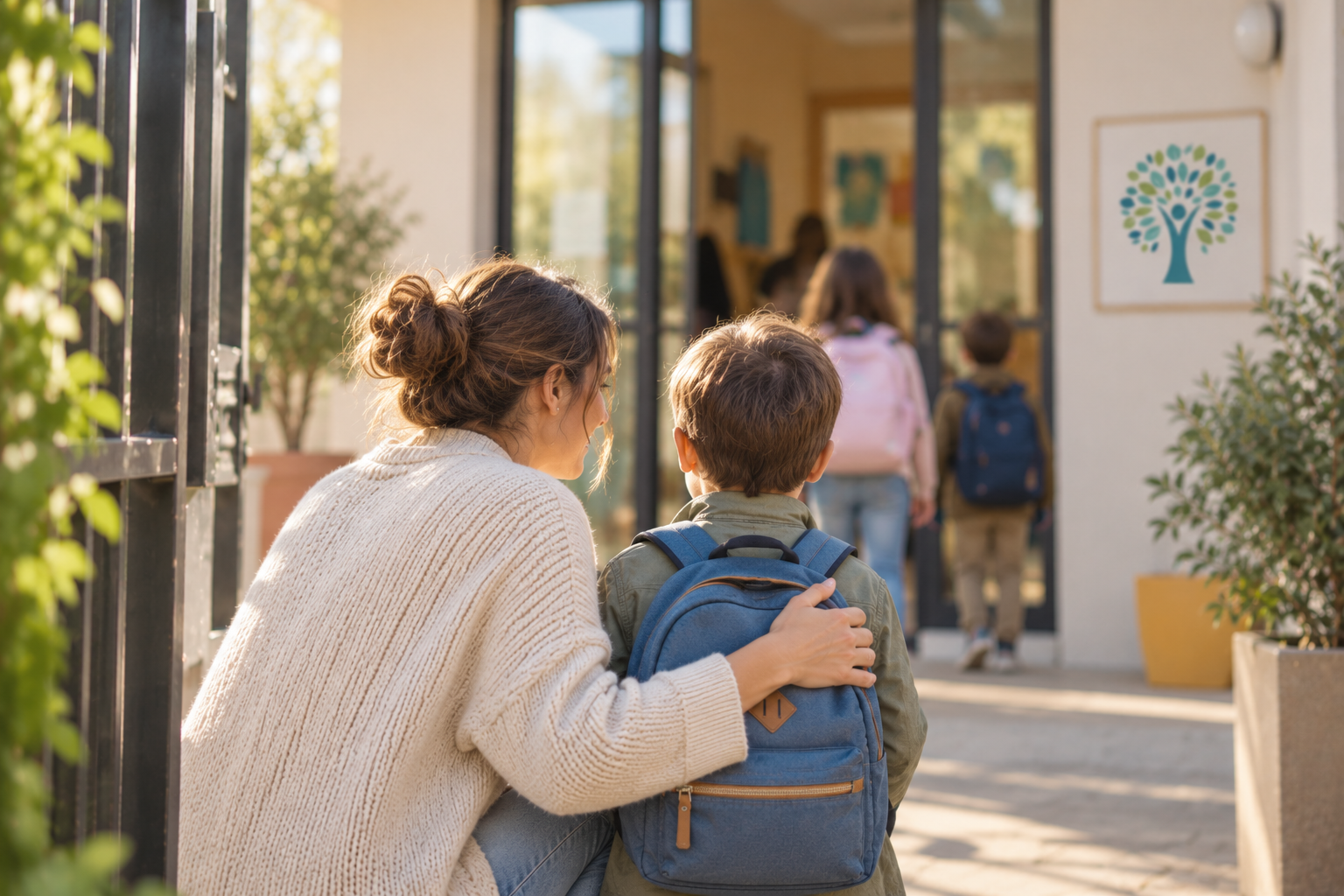
- Resistance to entering school or staying with another caregiver.
- A constant need to know where their parents are.
- Fear that something bad may happen to their attachment figures.
- Difficulty sleeping without an adult present.
- Nightmares related to separation or loss.
- Stomach aches, headaches, or other physical symptoms before separating.
- Refusing to attend trips, activities, or places without their caregivers.
- A repeated need to call or contact their family.
- Significant distress during separations that they previously tolerated.
These signs should not be interpreted in isolation. What matters is how they affect the child’s wellbeing and the family’s usual activities.
When Can Separation Anxiety in Children Be a Concern?
It may be helpful to consult a professional when the anxiety is very intense, lasts longer than expected, or clearly limits the child’s everyday life and the family’s routines.
Some situations in which it may be advisable to seek guidance include:
- The child cannot stay at school or frequently needs to be collected.
- Goodbyes lead to very intense reactions every day.
- The family has stopped doing certain activities because of fear of separation.
- The child persistently refuses to sleep alone.
- Physical symptoms frequently appear before school or separation.
- The child is constantly worried about the safety of their parents.
- The distress affects sleep, eating, relationships, or school performance.
- The anxiety appears after a difficult experience, a loss, or a significant family change.
Seeking advice does not necessarily mean that the child has a disorder. It can help you understand what is happening and consider what kind of support may be useful.
Why Does Childhood Separation Anxiety Appear?
Separation anxiety can be related to different factors. In some cases, it is part of a developmental stage. In others, it may appear as a response to change, a stressful experience, or an emotional difficulty.
Situations that may influence separation anxiety include:
- Starting nursery, preschool, or school.
- Moving home, changing cities, or changing schools.
- The arrival of a new sibling or changes in family dynamics.
- Parental separation or divorce.
- Illness or hospitalisation.
- The loss of someone close.
- Experiences of fear, insecurity, or sudden change.
- A particularly sensitive or cautious temperament.
There is no single cause. For this reason, it is important to understand the child’s history, developmental stage, and family context before drawing conclusions.

How to Help a Child with Separation Anxiety
Adults can help children face separation through predictable routines, clear messages, and emotional support.
Prepare the Child for What Will Happen
Explain when you will separate, who will stay with the child, and when you will return. Use simple words that are appropriate for their age.
Instead of saying “I’ll be back soon”, it may be more helpful to say “I’ll come back after snack time” or “I’ll pick you up when the school day finishes”.
Create a Brief and Predictable Goodbye
A very long goodbye can increase worry. It is usually better to establish a small ritual that is repeated each day: a hug, a sentence, and a clear goodbye.
After saying goodbye, try to leave without returning repeatedly, unless the school or the professional supporting the child has given specific guidance.
Validate the Child’s Emotions
You can acknowledge what the child is feeling without reinforcing the idea that separation is dangerous.
“I know saying goodbye is difficult and that you are worried right now. Your teacher will be with you and I will come back after snack time.”
Validation does not mean avoiding every separation. It means helping the child go through it while feeling understood.
Practise Gradual Separations
When possible, you can practise short separations with familiar people in safe situations. The length of the separation can then gradually increase.
The practice should be adapted to the child and should not become an abrupt exposure that increases their fear.
Use a Comfort Object
Some children feel calmer when they carry a familiar object, such as a soft toy, a small blanket, or a family photograph.
This object can act as a bridge between home and the place where the separation takes place.
Keep Your Promises
If you say that you will return after a particular activity, try to keep that promise. Repeated experiences in which the adult leaves and comes back help the child build trust.
What Should You Avoid?
When a child is afraid, it is understandable that the family wants to protect them from any discomfort. However, some well-intentioned responses can maintain anxiety or make goodbyes more difficult.
- Do not ridicule the child’s fear or tell them that they are exaggerating.
- Do not threaten to leave if they do not stop crying.
- Do not leave secretly without saying goodbye.
- Do not promise that nothing bad will ever happen.
- Do not prolong the goodbye for many minutes.
- Do not indefinitely avoid all situations involving separation.
- Do not compare the child’s reaction with that of other children.
The goal is to communicate safety and confidence, not to make the child stop feeling afraid immediately.
Separation Anxiety and Returning to School
Returning to school can temporarily intensify separation anxiety. Changes in schedules, new routines, and distance from attachment figures can be difficult for some children.
The following may help make the adjustment easier:
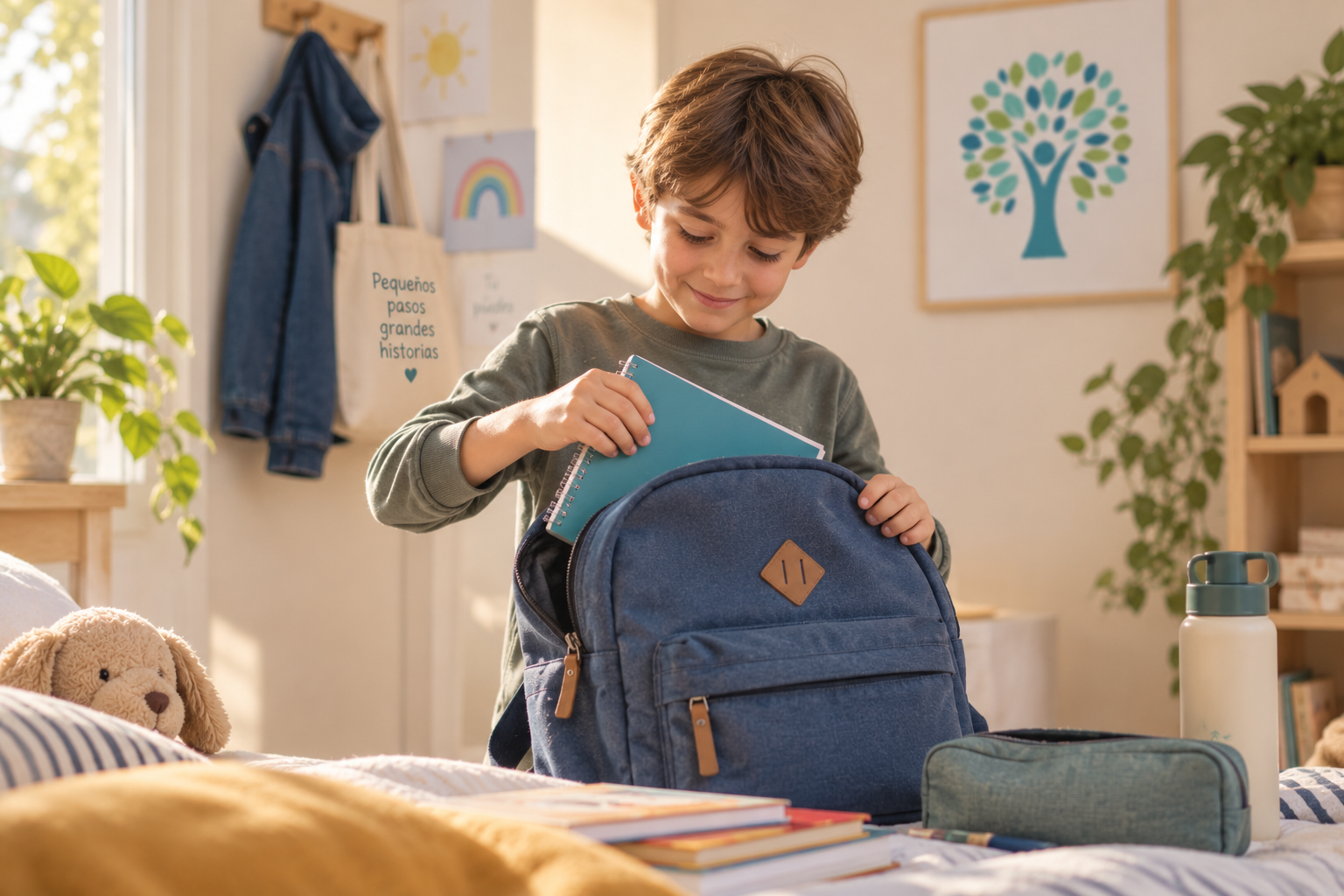
- Prepare school materials and clothes together.
- Talk in advance about the morning and arrival routine.
- Visit the school or remember familiar spaces.
- Keep sleep and mealtimes as regular as possible.
- Inform the teacher about the difficulties you have noticed.
- Use a brief, affectionate, and consistent goodbye.
If the distress continues, is very intense, or prevents the child from attending school, it is important to coordinate with the school and consult a child mental health professional.
For further information, you can also consult the Merck Manual guide to separation anxiety disorder.
When Can Child Therapy Be Helpful?
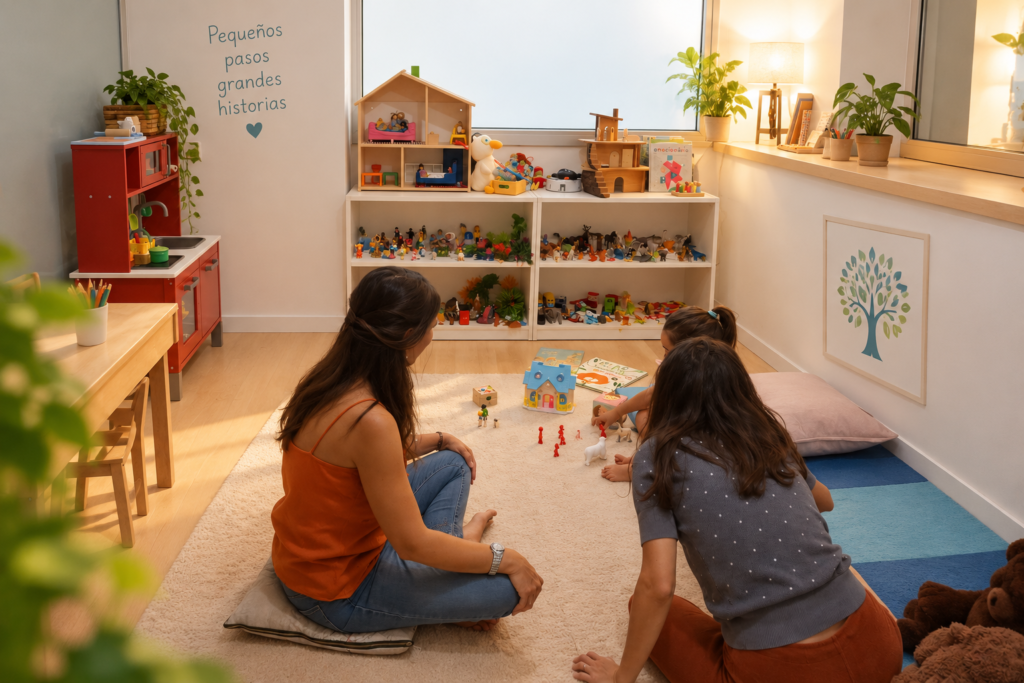
Child therapy can offer a space adapted to each child’s age and way of expressing themselves. Through play, conversation, and different therapeutic resources, it is possible to explore fears and develop strategies for coping with separation.
In many cases, support also includes guidance for parents or caregivers. The aim is to understand the anxiety better, review family responses, and encourage safer separation experiences.
When anxiety is related to changes at home or difficulties between different family members, it may be helpful to combine child therapy with a process of family therapy in Barcelona.
If you would like to learn more about this service, you can visit the page about child therapy in Barcelona.
Frequently Asked Questions About Separation Anxiety
At What Age Does Separation Anxiety Appear?
It is especially common between 6 months and 3 years of age, although it can appear or become stronger at other stages, particularly after changes, losses, or stressful situations.
Is It Normal for My Child to Cry When I Leave?
It can be normal, especially during the early years. It is important to observe the intensity and duration of the crying, and whether it prevents the child from attending school, sleeping, or taking part in everyday activities.
Should I Say Goodbye or Leave Without My Child Seeing Me?
In general, it is preferable to say goodbye clearly and create a short routine. Leaving secretly can increase insecurity because the child does not know when the separation may happen.
How Can I Help My Child Go to School?
Prepare the child for the routine, use a brief and consistent goodbye, work together with the school, and validate their emotions without communicating that separation is dangerous.
Can Separation Anxiety Cause Physical Symptoms?
Yes. Some children may experience stomach aches, headaches, nausea, or other physical symptoms, especially before going to school or separating from their caregivers.
When Should I Consult a Child Psychologist?
It is advisable to seek guidance when the anxiety is intense, continues over time, limits everyday life, or affects sleep, school, relationships, or family life.
Can Family Therapy Be Helpful?
It can be helpful when separation anxiety is related to family changes, conflict, communication difficulties, or a situation that is affecting several members of the family.
How to Ask for Support
If your child is struggling with separation and you are unsure how to support them, you can request information about child therapy in Barcelona.
At Chiara Leoni Psicología, we offer in-person support in Les Corts and online sessions, depending on the needs of each case.
If you would like to discuss your questions, you can contact the centre, call 651 93 84 52, or write to hola@chiaraleoni.es.
You can also read our guide to respectful parenting to learn more about emotional support for children.