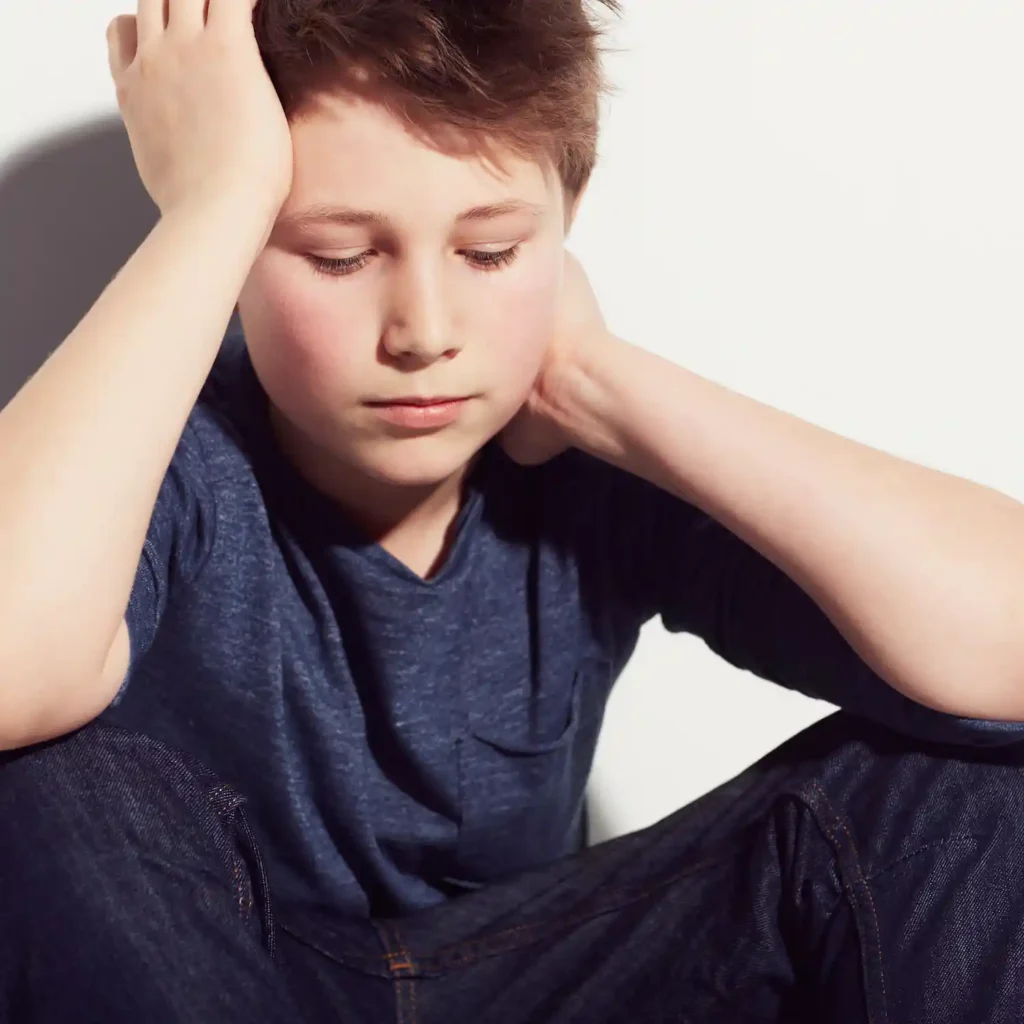
Anxiety is a set of psychophysiological reactions that are triggered by a situation perceived as threatening. It is an adaptive reaction that becomes pathological when it is activated without a real danger trigger.
How does childhood anxiety manifest?
In children, fears can turn into anxious reactions that, if not accompanied and guided, can lead to chronic symptoms.
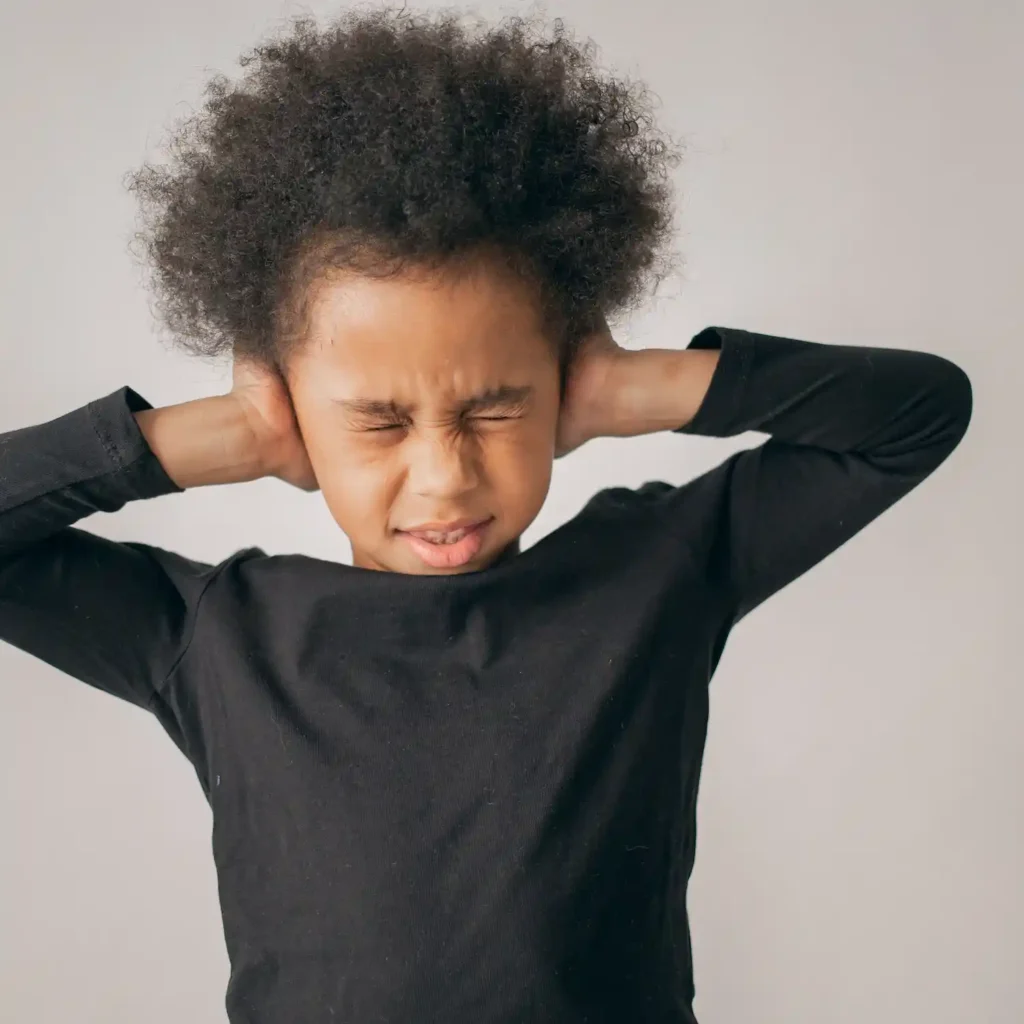
The classification of childhood anxiety according to the DSM-5 includes:
- separation anxiety disorder
- specific phobia
- social phobia
- panic disorder
Let’s look at some examples of each type, also based on what is most frequently observed in child psychotherapy consultations.
Symptoms of separation anxiety
In separation anxiety disorder, the child develops anxious reactions when they have to separate from attachment figures. This is a typical reaction in a certain phase of child development (around 9 months of age), when the baby begins to perceive themselves as a separate entity from the mother and shows distress and crying if the mother is not available. In this case the reaction is adaptive, as its purpose is to ensure survival, also through wariness of other unknown adult figures (fear of strangers).
The problem arises when an older child, who should have outgrown this phase and developed trust in their social environment, shows the same reaction. Younger children use the same behavioural pattern as the baby: they cling to the attachment figure, hide behind them, cry, protest when asked to go with another caregiver or to lose sight of the mother, father or main attachment figure. It should be noted that this reaction, at the beginning of daycare or preschool, is completely physiological, but it is not in an older child or in other social situations in children who are supposed to have already successfully started opening up to the world outside the family.
Normally, these reactions stem from a blockage that needs to be explored through an intervention with the parents and/or a child psychotherapy process, and very often their origin lies in not having overcome and integrated, for some reason, the 9–12 month developmental milestone, due to relational reasons, social environment influences or having experienced a traumatic situation.
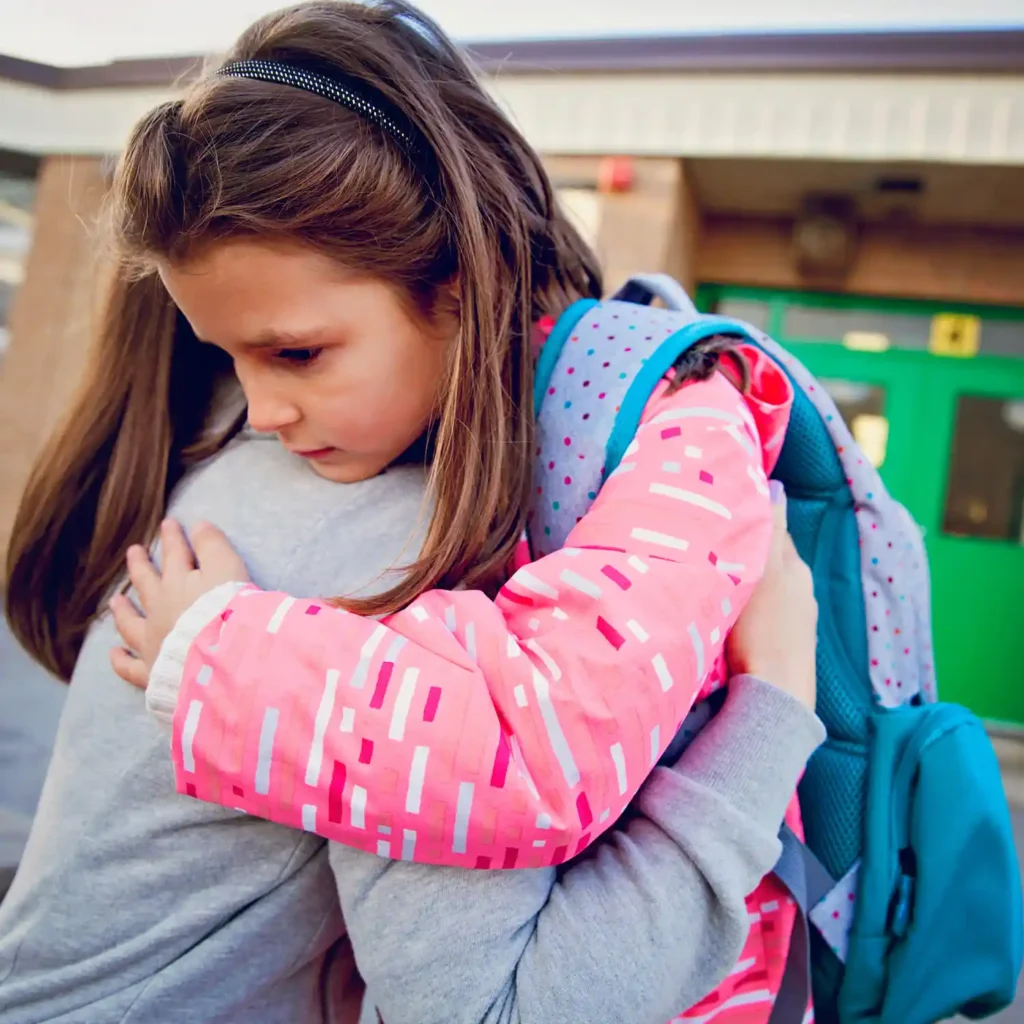
Anxiety and phobias
In phobias, an intense fear of certain objects and situations is observed, which at the same time triggers avoidance reactions. For example, some children may have a phobia of the doctor, school, certain animals or weather phenomena.
In the case of social phobia, there is a situation of withdrawal and difficulty enjoying situations shared with the social environment. It should be noted that fear reactions in response to social interaction in children under 6 years of age are completely physiological. A child up to 6–7 years of age has not yet matured the social skills that allow them to carry out true socialisation processes, both with peers and with adults.
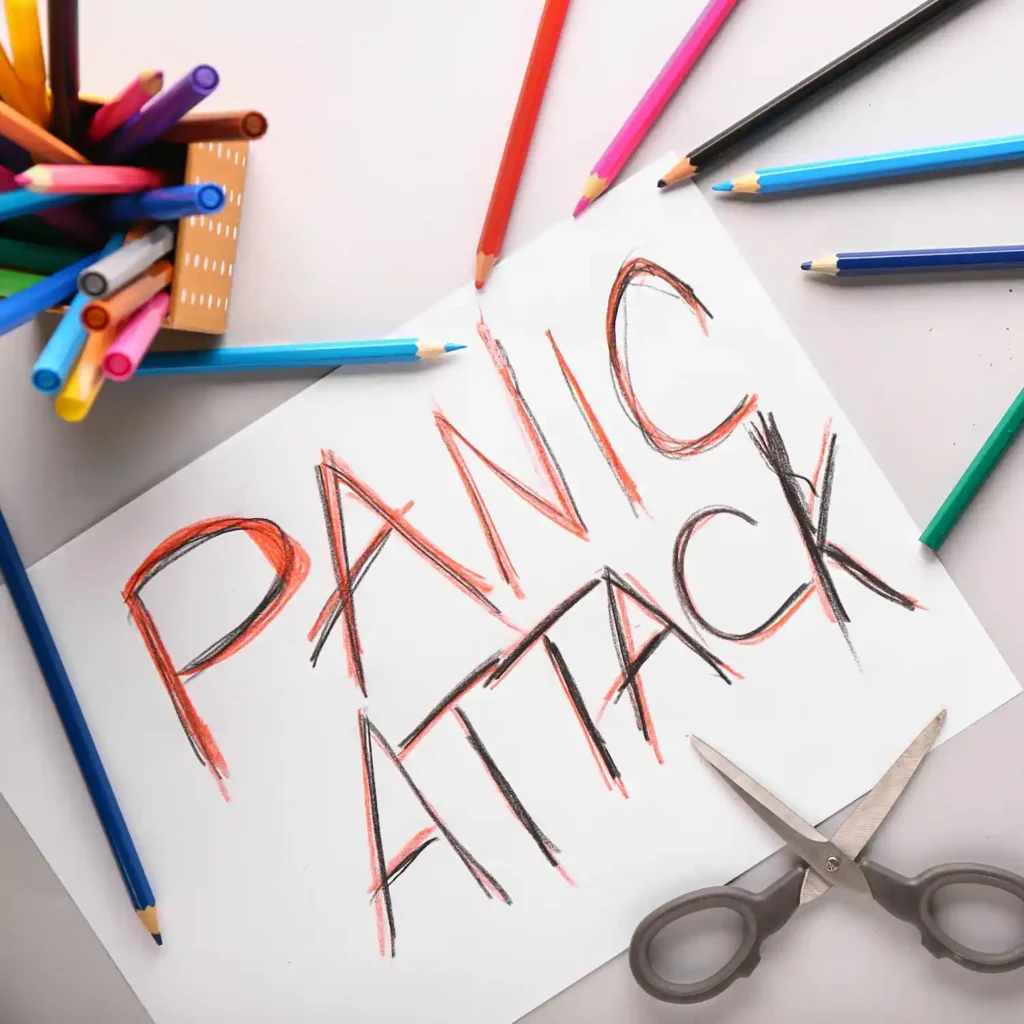
In panic disorder, rarely observed in children but more common in adolescents, anxiety reveals itself in a series of very intense psychophysiological reactions, summarised as interrupted breathing and a sensation of suffocation that can become extremely unpleasant because it is experienced as a “feeling of dying”.
How to calm a child’s anxiety?
When a child feels overwhelmed by anxiety and shows distress, it is understandable that parents and other reference adults are also affected. Fears can become very blocking and prevent the child from leading a normal life, socialising, doing sports and enjoying study and leisure activities.
However, it is essential to empathise and understand that the child’s reaction stems from physiology. Anxious reactions are tools that the body provides to deal with danger: even if we do not see it, for some reason a sometimes very deep association has occurred, causing the person to experience vegetative reactions that serve to face a possible danger. If someone threatens us, we will not continue breathing calmly, we will not relax, we will not fall asleep: our body is prepared to attack, flee or freeze, in order to preserve integrity in the face of a possible aggression. Young children not only do not function differently from adults, but in them these visceral reactions are even more active, because, due to their developmental level, they are deeply in touch with the bodily and instinctive part.
What to do first?
Do not push the child to “ignore” the fear, do not scold them, do not tell them that their worry has no reason to exist. This behaviour, apart from not being useful to resolve the anxiety, could worsen the symptoms, because the child will also feel that the adults they trust do not support them. The most appropriate attitude is to express to the child that we want to understand them and accompany them, and ask them what they need at this moment. Sometimes, a hug, companionship, a warm infusion, a shared game can at least temporarily reduce anxious reactions, especially when these combine with so-called “developmental” fears, i.e. typical of most children at certain stages of development: fear of the dark, separation anxiety from reference adults, fear of strangers, etc.
How do we approach childhood anxiety in psychotherapy?
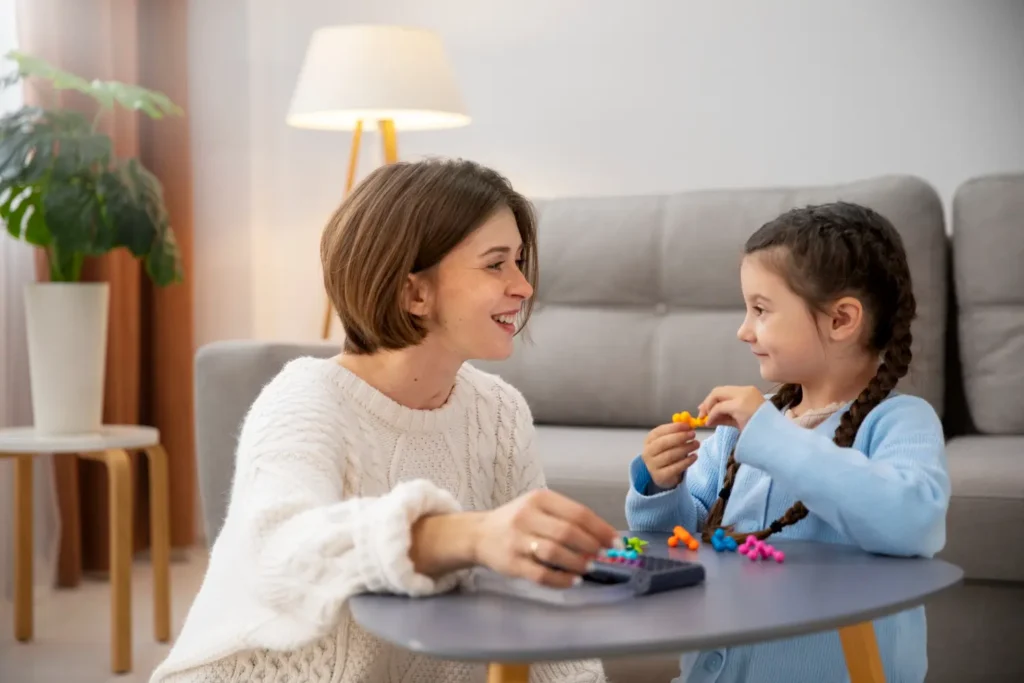
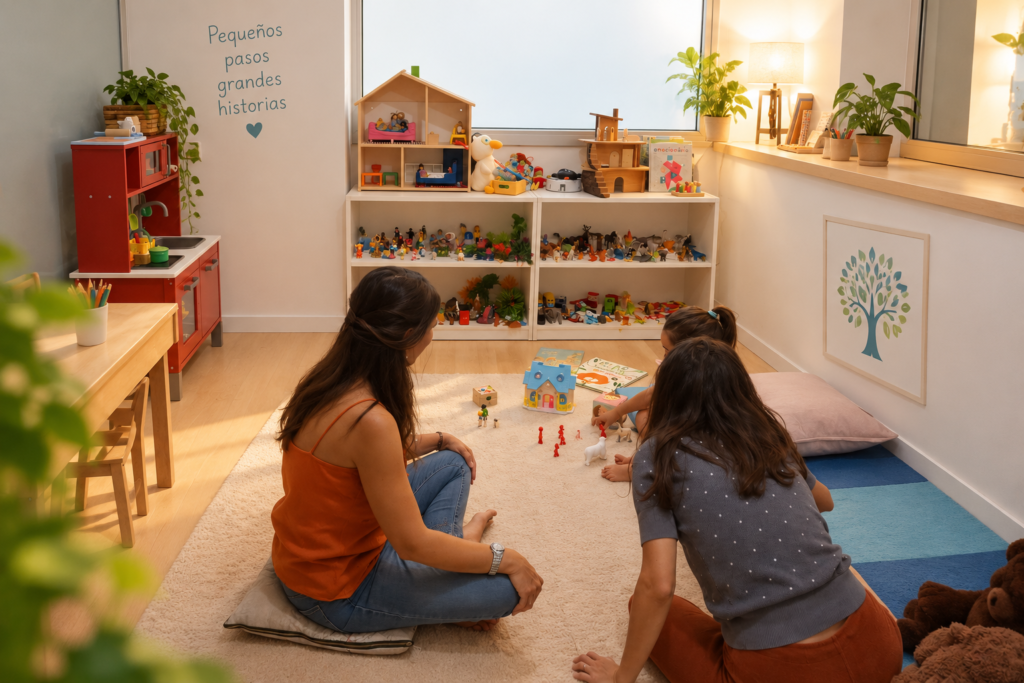
With young children, work is done mainly through play therapy. Techniques tend to be very symbolic and bodily because the core of the symptom cannot be treated in a discursive way or through visualisations, especially in children under 12 years of age. However, with children of any age, eye movement reprocessing therapy (EMI/EMDR) can be used, which is especially effective with phobias but also with the fear of anxiety, a very frequent symptom that leads to fearing a future anxiety attack.
Younger children present less typical symptomatology and cannot express their fear verbally, but they manifest it through migraines or digestive symptoms. In some cases it is useful to apply the eye reprocessing technique EMI/EMDR to the parents as well, as part of the child’s treatment.
How to tell if it is ADHD or anxiety?
Because anxious symptomatology in young children appears much less specific than in adolescents and adults, families and schools sometimes wonder whether the child’s difficulty could be due to other causes, such as the attention problems typical of ADHD. Sometimes, a child experiencing anxious symptoms cannot stay still and shows irritable behaviour. Decoding the origin of certain behaviours and emotional states can be impossible without a more or less in-depth clinical assessment, such as the one we carry out in child psychotherapy assessment processes.
When we can work with the child and their family, to rule out other disorders, we carry out a complete anamnesis with the parents and administer projective tests to assess the child’s emotional situation. With older children, around 12 years of age, the Spielberger STAIC questionnaire can be administered to assess their anxious tendency together with them, and relaxation and breathing techniques can be used.
How to know if a child needs therapy?
Consider requesting a child psychotherapy assessment consultation in the presence of the following factors:
- Your child does not calm down through accompaniment and containment at home and anxious crises increase in frequency or intensity;
- You yourself, the other parent and/or other significant people in daily life express distress at the need to accompany and contain the child’s emotional crises;
- Regressive symptoms have appeared, for example the child asks to sleep with the parents when they did not do so before, or has episodes of nocturnal or diurnal enuresis, or frequent episodes of discomfort that require skipping several days of school or extracurricular activities they previously enjoyed;
- Nightmares or night terrors occur or the child has extreme difficulty falling asleep or staying asleep.
According to different studies, child and adolescent anxiety is correlated with that of the parents. No genetic transmission model has been detected, but a behavioural influence has been observed. An anxious tendency at family level and the coexistence with certain parenting styles is related to the existence of the anxious trait in the children, which in turn increases the risk of developing anxious symptoms or anxiety disorders throughout development.
I invite you to contact me so we can talk about all the benefits our groups and individual therapies can provide you.
In the meantime, follow me on Instagram and on my YouTube channel, where every day I share content on parenting, yoga and many other therapeutic techniques for your physical and mental wellbeing.
References:
Caballo, V. and Simón, M. A. (2001). Manual de psicología clínica infantil y del adolescente. Trastornos generales. Pirámide.
Leoni, C. (2022). Correlación entre ansiedad-rasgo y clima familiar en adolescentes catalanes. Trabajo Final de Máster en Psicología General Sanitaria. UNIR.